
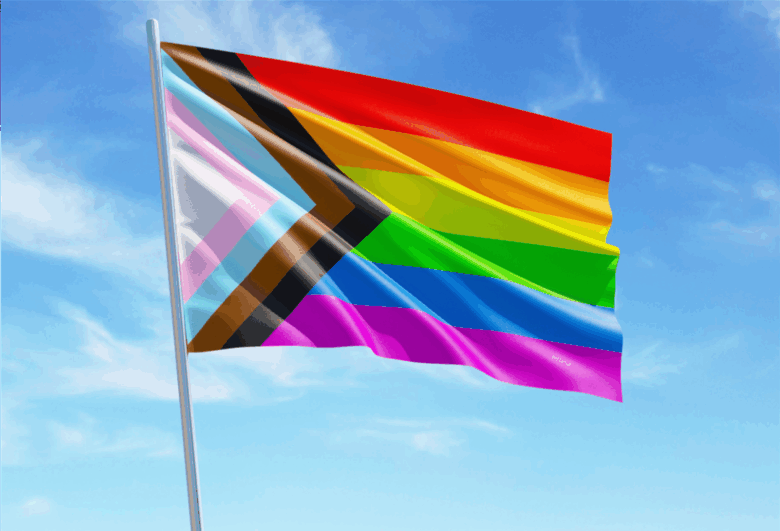
The Libraries celebrate LGBTQ+ Pride Month with this list of recommended books in our collections. Pride Month honors 1969’s Stonewall Uprising and recognizes the achievements of lesbian, gay, bisexual, trans, queer, intersex, asexual, and people with other queer identities. This list highlights fiction and nonfiction that address achievements, experiences, and research by and about queer individuals. We encourage you to read works by and about LGBTQIA+ folks throughout the year!
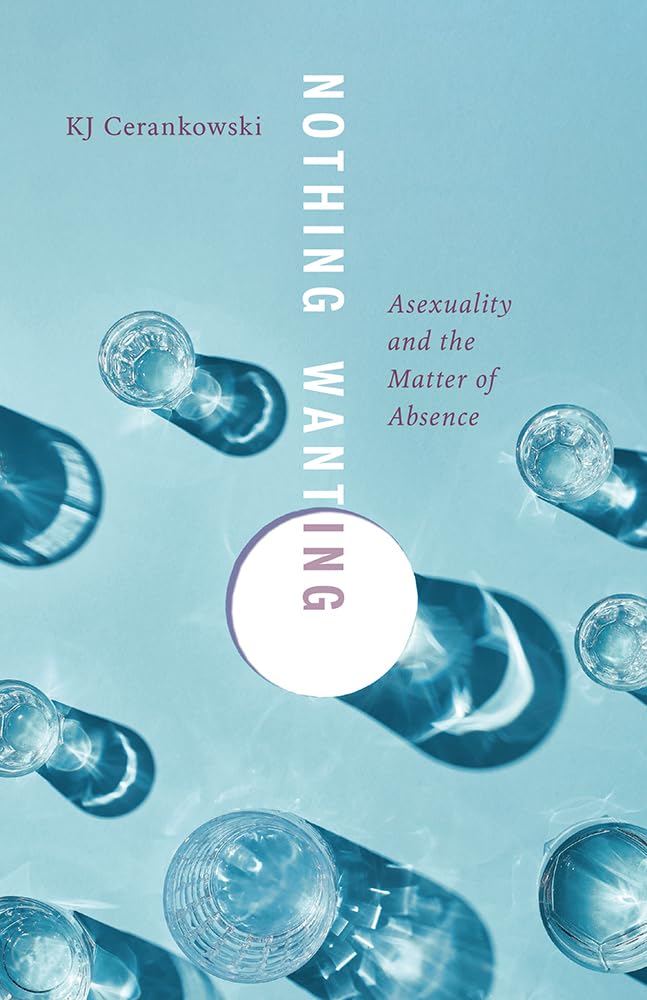
Nothing Wanting: Asexuality and the Matter of Absence
by K.J. Cerankowski
Advancing asexuality studies in new, queer directions–beyond identity and beyond the human We’ve all seen the page that states this page intentionally left blank or heard an authority figure declare nothing to see here, folks, and yet the so-called blank page has writing on it, and folks definitely have something to see. From the entry point of these and other paradoxical declarations of absence, KJ Cerankowski applies the aesthetics of asexuality to theorize silences, nothings, and emptiness. In the process, he explores new ways of making meaning out of the supposedly meaningless. Throughout this investigation into absences, Cerankowski moves intuitively and idiosyncratically, taking readers along a series of waypoints that include Border, the acclaimed horror film about a customs officer who can smell fear; Jenny Hval’s discomfiting novel Paradise Rot; and disabled artist Finnegan Shannon’s iconic benches. Experimental in form as well as content, Nothing Wanting offers an innovative and mischievous reading experience that plays with structural elements like redaction, erasure, supertext, and repetition. With a deeply anticapitalist, anticolonial motivating ideology, it pushes to the limits of language, subverting commonplace notions of books, knowledge, and what it is to be human. Moving beyond identity and representation, Nothing Wanting is playful, fascinating, and provocative as it conceives asexuality as additive and expansive rather than lacking. As it reveals the vibrant lifeworlds that hum in silences and thrum in stillnesses, Nothing Wanting pivots from the imposition of wanting nothing to the craving of nothing wanting: satisfied, yet always yearning for more worlds of thriving–for everything and everyone.
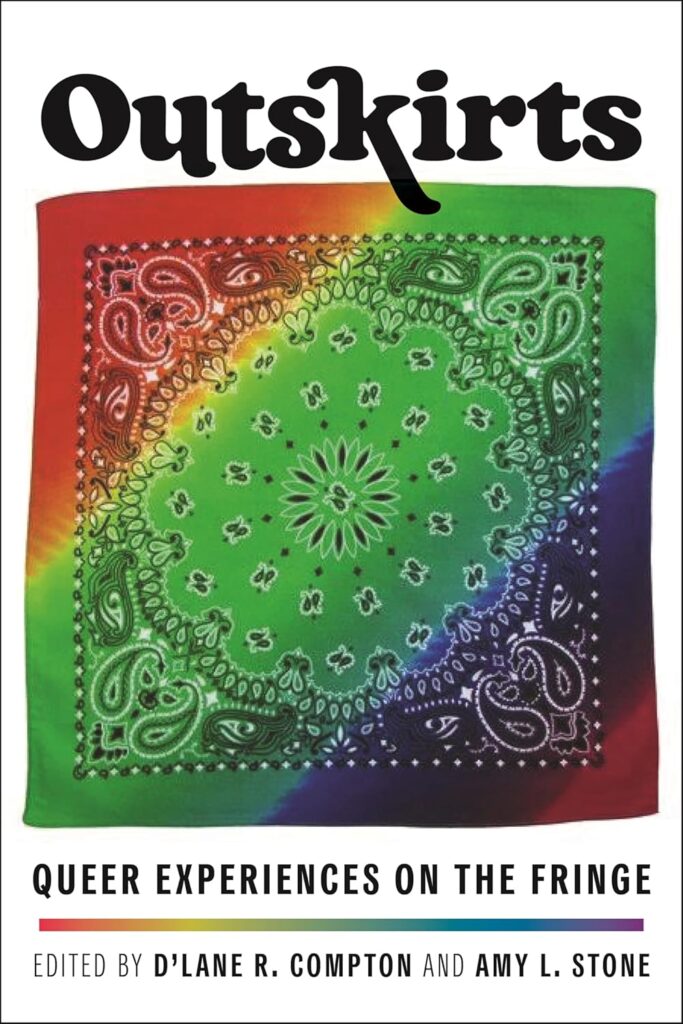
Outskirts: Queer Experiences on the Fringe
edited by D’Lane R. Compton and Amy L. Stone
Celebrates diverse queer experiences on society’s margins Outskirts addresses the diverse and intricate aspects of the queer experience on the periphery of the social world. From the Korean spa to the Carnival krewe to new sexual identities, this volume asks important questions about the atypical places, spaces, and identities that are an important part of LGBTQ life in the United States. By bringing together scholars specializing in the less visible facets of queer culture, the book offers valuable insights that contribute to a deeper understanding of queer perspectives and their impact on the discipline of sociology. The volume challenges researchers to focus on diversity and complexity of the queer experience in the fringe to inform larger sociological questions and contribute to the field of sociology. Most simply put: what is it that we learn from studying at the margins? The essays in Outskirts focus on the influence of place, both physical and virtual, within institutional settings and in situations of placelessness. This attention to non-normative spaces and identities enriches the collective knowledge of LGBTQ experiences and offers a compelling narrative that pushes the boundaries of sociological inquiry and highlights the importance of queer voices on the fringes of society.
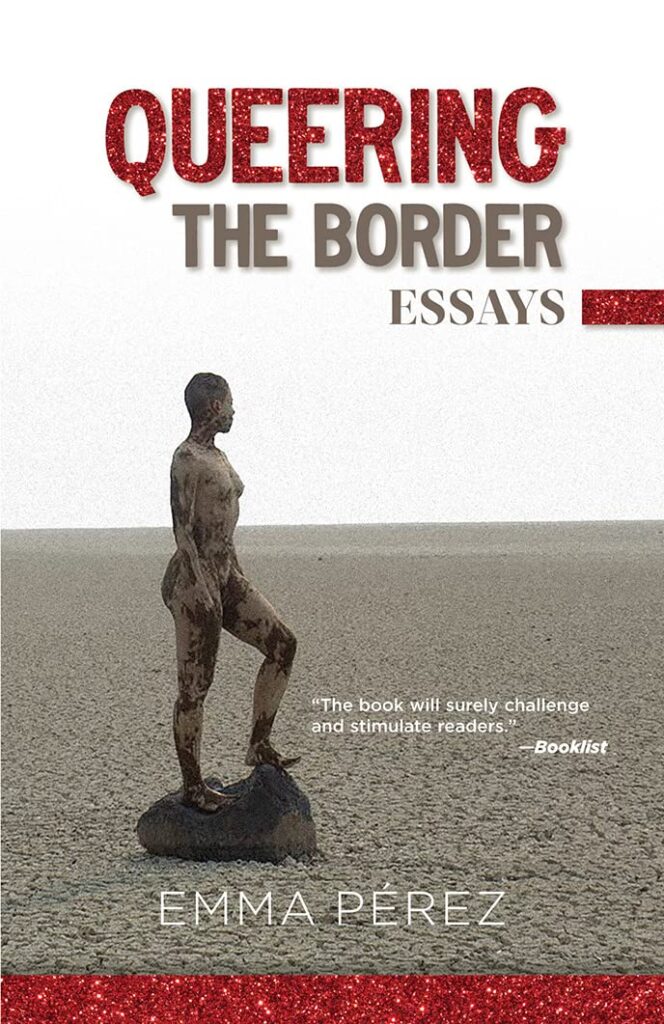
Queering the Border: Essays
by Emma Pérez
“You will never know how it feels to have brown skin and a Mexican name. You will never know what it is like to watch your mother struggle with white words.” In this collection of prose pieces, author and scholar Emma Pérez explores the intersection of race, class, gender and sexuality.
A Chicanx queer lesbian “who honors my mother and her plight within patriarchal institutions” that limit women’s choices and opportunities, Pérez writes about issues—including sexual politics and power relations between Anglo and Hispanic men—that have impacted her Tejano family for generations. A historian by training, her work aims to decolonize the Southwest by uncovering voices from the past that validate multiple experiences.
Essays reveal the influence of Gloria Anzaldúa’s scholarship; recount the controversy surrounding artist Alma López’s digital print, “Our Lady,” in which the Virgin of Guadalupe appears in a provocative bikini; and evaluate interviews with 25 LGBTQ people in the El Paso/Ciudad Juárez area to expose life on the border as a queer of color. This collection also includes short fiction and an epistolary love poem to the first feminist of the Americas, Sor Juana Inés de la Cruz, or in this case, Sor Juanx. Bringing together the work of a noted Chicanx writer and academic, this volume reinforces the body of work by LGBTQ people of color dealing with racism and sexism, conquest and colonization, power and privilege, all with a particular emphasis on the Southwest borderlands.
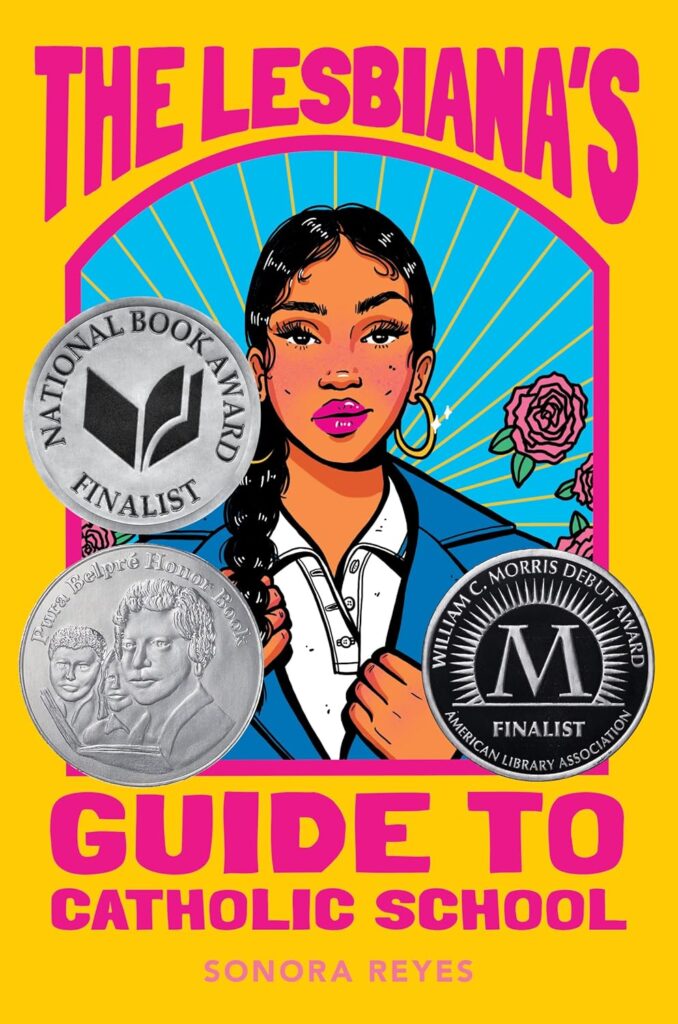
The Lesbiana’s Guide to Catholic School
by Sonido Reyes
Sixteen-year-old Yamilet Flores prefers to be known for her killer eyeliner, not for being one of the only Mexican kids at her new, mostly white, very rich Catholic school. But at least here no one knows she’s gay, and Yami intends to keep it that way. After being outed by her crush and ex-best friend before transferring to Slayton Catholic, Yami has new priorities: keep her brother out of trouble, make her mom proud, and, most importantly, don’t fall in love. Granted, she’s never been great at any of those things, but that’s a problem for future Yami. The thing is, it’s hard to fake being straight when Bo, the only openly queer girl at school, is so annoyingly perfect. And smart. And talented. And cute. So cute. Either way, Yami isn’t going to make the same mistake again. If word got back to her mom, she could face a lot worse than rejection. So she’ll have to start asking, WWSGD: What would a straight girl do? Told in a captivating voice that is by turns hilarious, vulnerable, and searingly honest, The Lesbiana’s Guide to Catholic School explores the joys and heartaches of living your full truth out loud.
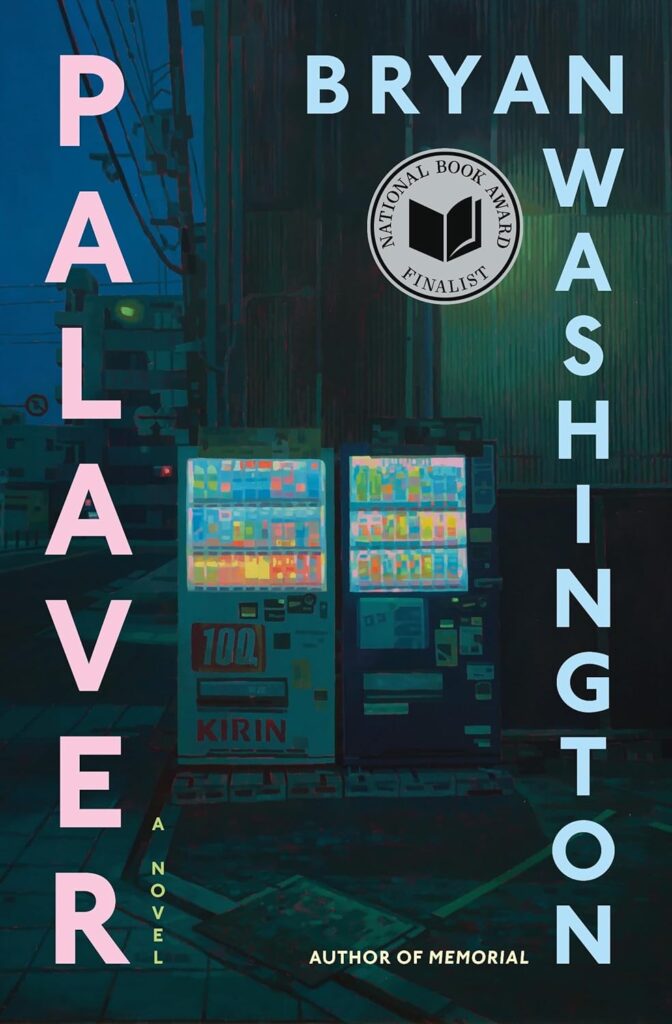
Palaver
by Bryan Washington
In Tokyo, the son works as an English tutor and drinks his nights away with friends at a gay bar. He’s entangled in a sexual relationship with a married man, and while he has built a chosen family in Japan, he is estranged from his mother in Houston, whose preference for the son’s oft-troubled homophobic brother, Chris, pushed him to leave home. Then, in the weeks leading up to Christmas, ten years since they last saw each other, the mother arrives uninvited on his doorstep.
With only the son’s cat, Taro, to mediate, the two of them bristle at each other immediately. The mother, wrestling with memories of her youth in Jamaica and her own complicated brother, works to reconcile her good intentions with her missteps. The son struggles to forgive. But as life steers them in unexpected directions—the mother to a tentative friendship with a local bistro owner and the son to a cautious acquaintance with a new patron of the bar—they begin to see each other more clearly. During meals and conversations and an eventful trip to Nara, mother and son try as best they can to determine where “home” really is—and whether they can even find it in one another.
Written with understated humor and an open heart, moving through past and present and across Houston, Jamaica, and Japan, Bryan Washington’s Palaver is an intricate story of family, love, and the beauty of a life among others.
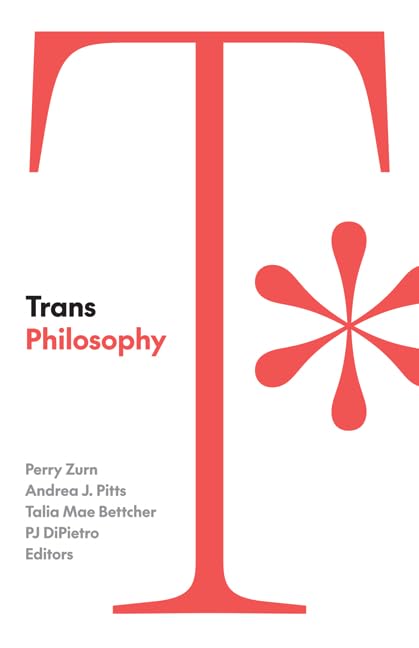
Trans Philosophy
edited by Perry Zurn, Andrea J. Pitts, Talia Mae Bettcher, and P. J. DiPietro
Establishing trans philosophy as a unique field of inquiry, offering tools for our quest toward a more just and equitable world Trans Philosophy defines this burgeoning and polymorphous discipline as philosophical work that is accountable to and illuminative of cross-cultural and global trans experiences, histories, and cultural productions. Across language and politics, feminism and phenomenology, and decolonial theory, it addresses trans worldmaking in all its beauty and mundanity. Critically, the editors center the contributions of trans and gender-nonconforming philosophers from around the globe. Showcasing work from a range of emerging and established voices, Trans Philosophy addresses discrimination, embodiment, identity, language, and law, utilizing diverse philosophical methods to attend to significant intersections between trans experience and class, disability, race, nationality, and sexuality. At a time when trans-exclusionary views are gaining traction in politics as well as philosophy, this volume urgently redraws the contours of trans discourse, centering the wisdom already generated in trans and other gender-disruptive communities.
Book descriptions based on publisher information